What belongs in a buyer-ready addition file?
A buyer-ready file starts with the permit record and ends with evidence that matches the finished space. Gather the permit number, approved scope, approved plans, inspection history, final approval or certificate documentation where applicable, and every building or trade permit tied to the work. Add contractor and subcontractor invoices, paid receipts, warranties, engineering records, utility upgrades, and before-and-after floor plans.
Put the property address and the addition’s location on each document. If the work involved a kitchen, bathroom, bedroom, enclosed porch, garage conversion, electrical upgrade, plumbing change, HVAC change, or structural work, identify it in plain language. The goal is for a buyer, inspector, appraiser, insurer, and listing team to see which record relates to which part of the finished space.
Compare the finished layout with the approved plans. Check room boundaries, doors, windows, plumbing fixtures, electrical work, mechanical equipment, stairs, exterior openings, and any change in the footprint. A mismatch does not tell you what the answer is. It tells you to pause the marketing description and find out which record or professional can address the difference.
The New Braunfels pre-listing repairs guide can help you place documentation in the larger preparation schedule. Start the file before photography and pricing. A clean record gives the listing team time to find missing pages, request an explanation, or describe the space with the facts that can be supported.
How can sellers verify the permit and inspection trail?
Use the City of New Braunfels Building Permits page and Permit Search and Status page as starting points when the property falls under City jurisdiction. The permit search can help locate permit and inspection history associated with the address. Save the search result, permit number, status, inspection information, and any related documents in the property file.
Separate three questions in your notes. First, was the work recorded as authorized through the relevant permit process? Second, does the file show the inspections or final-status evidence that apply to the work? Third, does the finished space and the marketing description match the documented scope and the current measurements? A permit issued before work began does not by itself answer the closeout question.
A search result may be incomplete, hard to read, or tied to a different address format. Check the street number, unit or lot identifier, legal description when available, and the date of the work. If the City page does not cover the property, confirm which city or county authority is responsible for that address. Do not treat a missing search result as proof that no permit exists or as proof that the work was approved.
Record the name of the office, the date checked, the search terms used, and the next question. If you need help seeing how an addition affects the broader property condition review, Pete’s New Braunfels home inspection problems guide can help organize the conversation. Permit records and inspections answer different parts of the file, so keep both visible.
Which measurements and marketing claims need a second look?
Have the listing team compare the finished addition with the current measurement record before describing the space. Use the floor plan, measured areas, permits, plans, and visible layout together. A finished room may be useful to the seller and buyer while still requiring a careful explanation of how it is counted, labeled, or represented in listing materials.
Avoid assuming that every finished square foot should be included in the same area figure. Build a defensible measurement record and a plain description of discrepancies. The file should show who measured the space, when it was measured, what area was included, and which supporting documents were reviewed. Route technical measurement questions to the person responsible for the measurement standard used by the listing team.
Check the language in the listing, floor plan, seller’s disclosure, appraisal materials, and any property summary for consistency. The Texas Real Estate Commission’s current disclosure guidance is a reason to use the current Seller’s Disclosure Notice and describe known property information accurately. This article does not interpret a disclosure form or decide what a seller must write. Ask the appropriate licensed professional about property-specific wording.
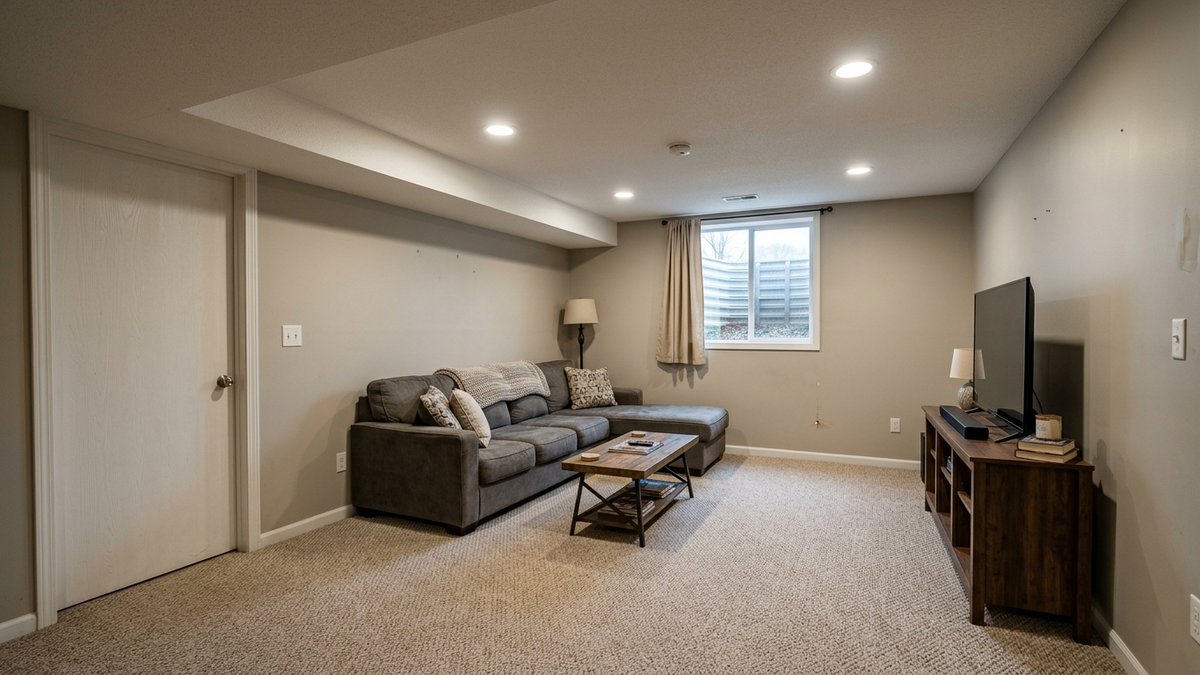
A garage conversion or enclosed outdoor space may deserve extra attention because its use, layout, and records can be described in several ways. Buyers reviewing converted garage questions in New Braunfels may ask for the same documents you want ready for the listing. Resolve the record first, then choose language that does not outrun the evidence.
What should sellers do when the addition file is incomplete?
Use a three-status review. Mark the record complete when the permit or authority record, approved scope, inspection or final-status evidence, supporting receipts, and current measurements are present and consistent. Mark it incomplete when one or more pieces are missing but the property record and work can be identified. Mark it as no matching record found when the responsible authority search does not locate a matching entry. These labels describe the file’s condition. They do not decide whether the work was legal, safe, or marketable.
For an incomplete file, write the missing item beside the next action. That may mean requesting a copy from the City, asking the contractor for plans or receipts, locating trade permits, obtaining a current measurement, checking utility documentation, or asking a qualified professional what inspection or engineering record is appropriate. If the property is outside City jurisdiction, contact the responsible city or county authority before relying on the City search.
Keep a record of every request. Include the date, office or person contacted, property identifier, question asked, answer received, and document promised. If the response conflicts with the finished space, leave the conflict open in the file. Do not quietly replace a missing final-status record with a permit issued at the start of the work.
Pete’s why homes do not sell in New Braunfels guide is useful context for the cost of unclear property information. It gives the listing team a chance to identify weak documentation before it becomes a buyer question during the listing.
How should the completed file guide the listing plan?
Let the evidence determine the order of work. If the file is complete and the plans match the finished space, organize the documents for the listing team and prepare a concise description of what is documented. If the file is incomplete, decide which missing item could change the measurements, disclosure language, inspection conversation, insurance review, or pricing discussion. If no matching record is found, pause assumptions and ask the responsible authority or licensed professional what can be verified before listing.
Build the final review with four columns: item, evidence on hand, status, and next action. Items can include the permit number, approved plans, building permits, trade permits, inspection history, final approval or certificate documentation where applicable, invoices, paid receipts, warranties, engineering records, utility changes, floor plans, measurements, and disclosure questions. Use complete record, incomplete record, or no matching record found in the status column.
Then compare the file with the marketing package. Check the address, addition description, room labels, measurements, photos, floor plan, seller disclosures, and MLS remarks for contradictions. Keep a copy of the supporting document beside each material statement. If a statement depends on an interpretation of a permit, disclosure, measurement rule, or legal issue, send it to the appropriate licensed professional instead of guessing.
Sellers can use the seller guide to organize the broader listing process, then bring the addition file and open questions to the listing conversation. Pete’s contact page is available for help preparing the property-specific discussion. The practical finish line is a listing file that shows what was authorized, what was inspected or closed out, what was measured, and what still needs a qualified answer.